
Preparing for Colorado Winter Sports: Injury Prevention Tips
Understanding the Risks
Winter sports in Colorado are exhilarating, but they come with their own set of risks. Skiing, snowboarding, and ice skating are physically demanding activities that require preparation to avoid injuries. Common injuries include sprains, fractures, and concussions. Understanding these risks is the first step in preparing for a safe and enjoyable season.
Knowing the potential hazards and taking preventive measures can significantly reduce the likelihood of injuries. Whether you're a seasoned athlete or a beginner, being aware of your surroundings and listening to your body can prevent many common mishaps.
Physical Preparation
Conditioning and Strength Training
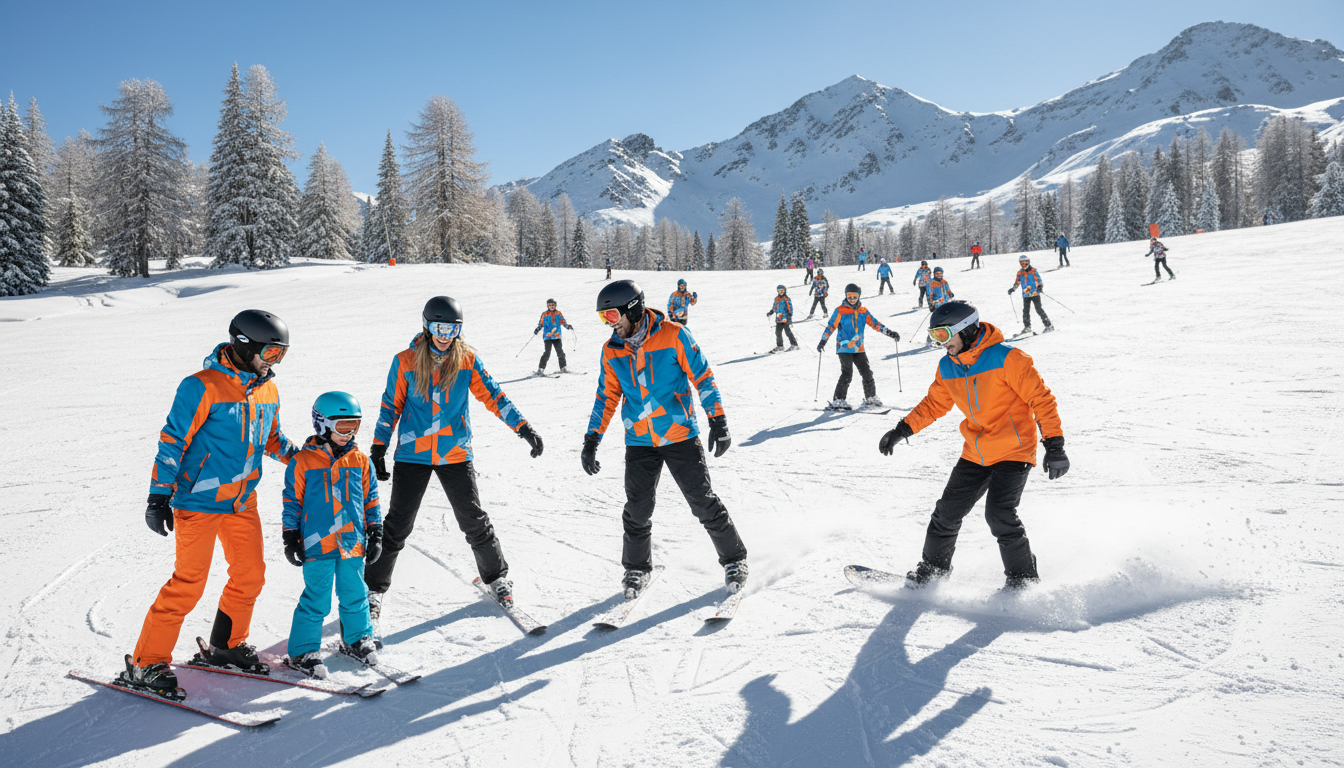
Building strength and stamina before heading to the slopes is crucial. Engage in exercises that focus on core strength, flexibility, and balance. Activities like yoga, pilates, and strength training can help condition your body for the physical demands of winter sports.
Warm-Up Routines
Before hitting the slopes, always perform a warm-up routine. Light jogging, dynamic stretches, and mobility exercises can increase blood flow to the muscles, reducing the risk of strains and sprains. A proper warm-up prepares your body for action and enhances performance.
Gear and Equipment
Choosing the Right Equipment
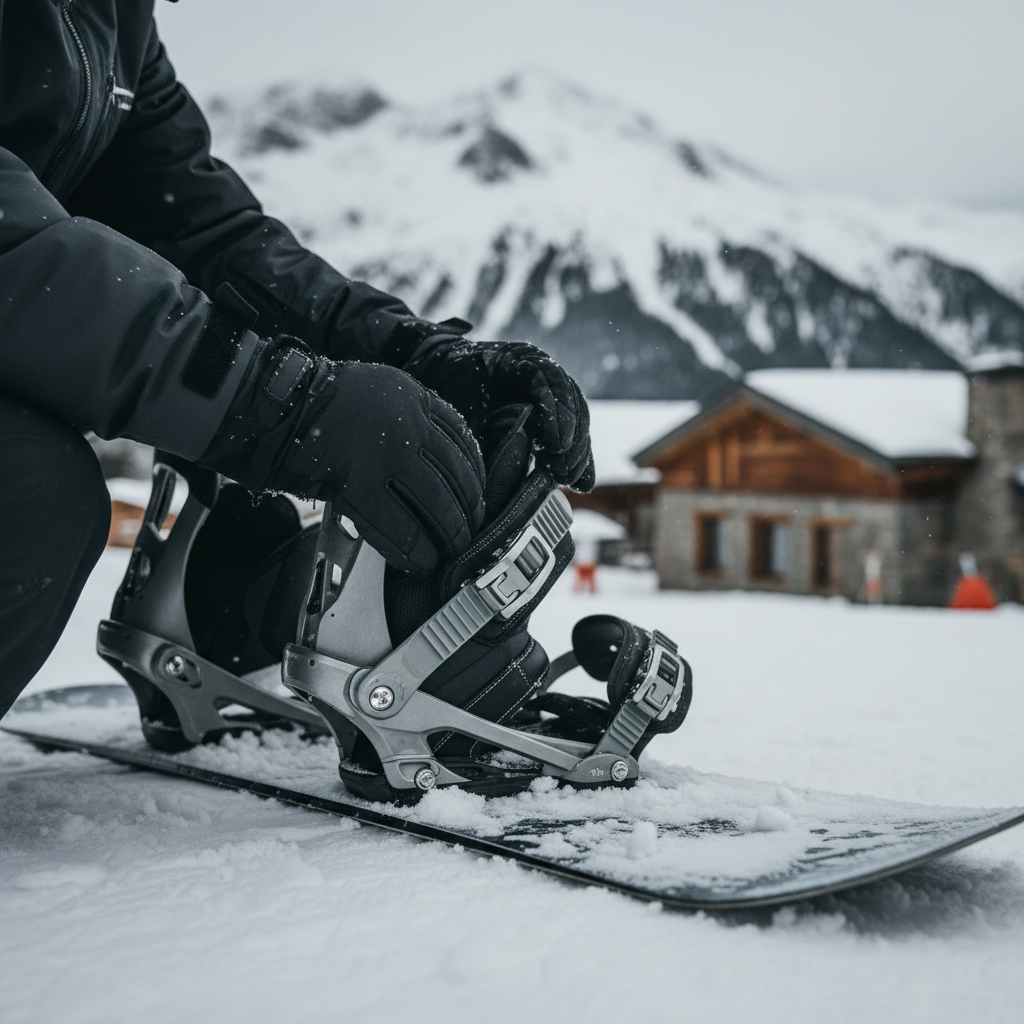
Having the right gear is essential for both performance and safety. Ensure that your equipment is in good condition and properly fitted. Ill-fitting boots or bindings can lead to accidents on the slopes. Don't hesitate to consult a professional for guidance on selecting the right equipment.
Protective Gear
Wearing protective gear such as helmets, goggles, and wrist guards can prevent serious injuries. Helmets are particularly important for protecting against head injuries and should be non-negotiable for anyone participating in winter sports.
Environmental Awareness
Weather Conditions
The weather in Colorado can change rapidly. Keep an eye on weather forecasts and be prepared for sudden shifts. Poor visibility, icy patches, and heavy snowfall can increase the risk of accidents. Adjust your plans accordingly to ensure safety.
Trail Safety
Familiarize yourself with the trails and their difficulty levels. Stick to trails that match your skill level and always follow posted signs and warnings. Venturing into unfamiliar or closed areas can lead to dangerous situations.
By taking the time to prepare physically, choosing the right gear, and staying aware of your environment, you can enjoy Colorado's winter sports with confidence. Prioritizing safety ensures not only a fun experience but also a healthy one.